




 Plan your trip
Berlin covers a massive footprint nearly nine times the size of Paris. This vast urban sprawl demands careful preparation. Visitors often feel lost in the sheer scale of this decentralized German capital.
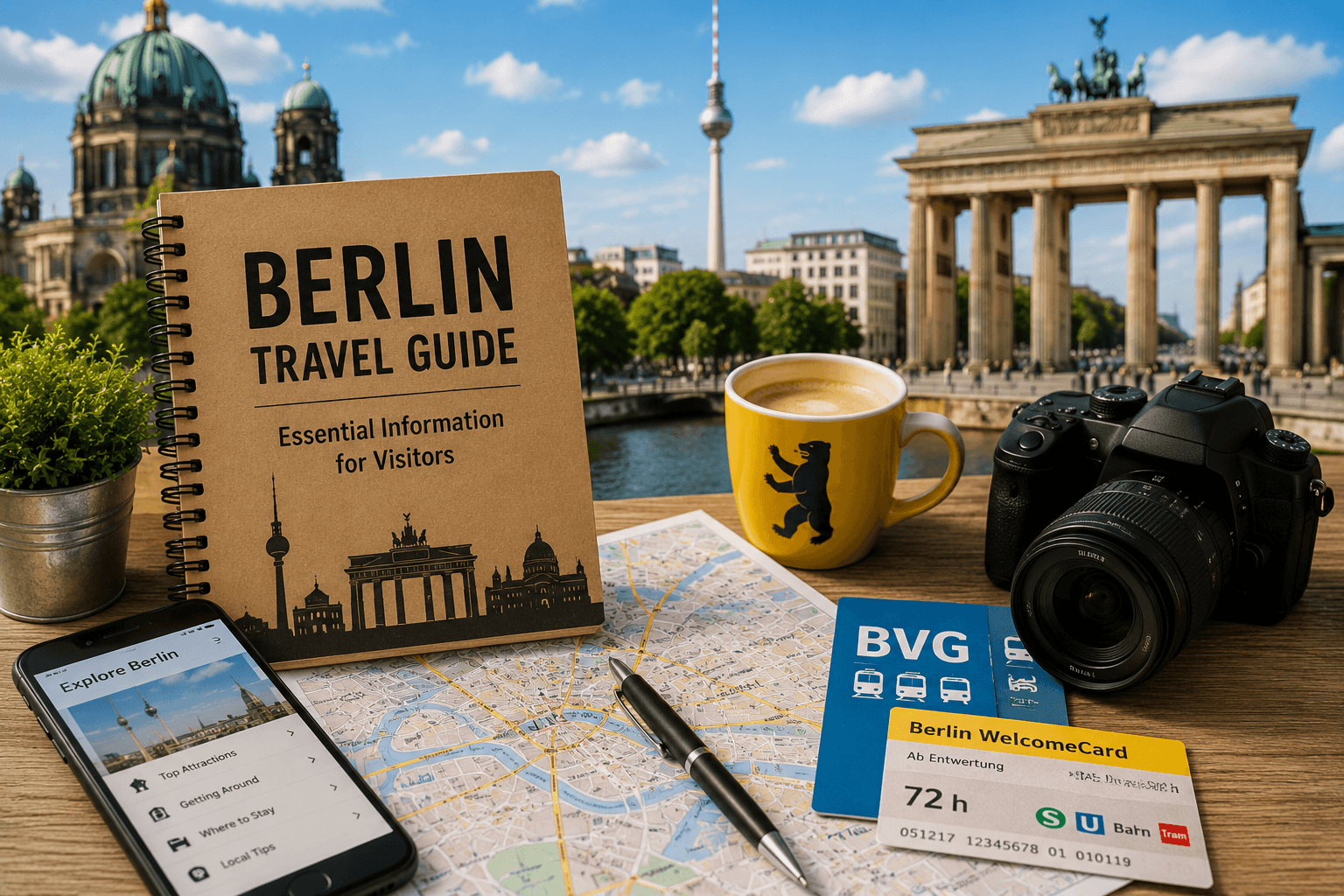
This Berlin Travel Guide: Essential Information for Visitors delivers the routing tips and cultural keys needed to navigate the streets easily.
Navigating the complex past and the modern transit network saves both time and cash. First-time arrivals need solid preparation to turn this sprawling metropolis into an easily walkable adventure.
Choosing the Right Neighborhood for Your Stay
Finding the perfect base depends on your personal budget and what you want to see. Berlin lacks a single core downtown. Instead, the city splits into several distinct quarters, each serving as its own cultural hub.
Mitte is the historic center, home to the Brandenburg Gate and Museum Island. Staying here puts major sights within walking distance. However, local dining prices run higher than in outer neighborhoods.
Kreuzberg provides a raw, artistic vibe packed with street art, global food, and late-night spots. Further north, Prenzlauer Berg offers quiet, tree-lined streets and beautifully restored old buildings. It remains perfect for families seeking a calmer tempo.
| Neighborhood | Vibe and Best For | Key Highlights |
|---|---|---|
| Mitte | Historic heart, walking tours | Brandenburg Gate, Museum Island |
| Kreuzberg | Gritty, nightlife, eclectic food | Street art, local pubs, cafes |
| Prenzlauer Berg | Quiet, family-friendly, slow pace | Shady avenues, historic apartments |
Mastering the Public Transit System
Berlin boasts an incredibly reliable transit network of underground U-Bahn lines, elevated S-Bahn trains, streetcars, and buses. The system uses three ringed zones named A, B, and C. Most sights sit directly within the central AB zone.
To help map out your daily journeys, this Berlin Travel Guide: Essential Information for Visitors highlights the best ticket choices to save cash.
Riders must buy and stamp their tickets before stepping onto any train. Failure to validate results in an immediate sixty-euro penalty. Platform machines offer several languages and take both physical cash and cards.
- A single trip ticket for the central AB zone costs three euros and fifty cents, lasting two hours for one-way journeys.
- The day pass costs nine euros and ninety cents, giving one rider unlimited trips for twenty-four hours.
- The tourist-focused Berlin WelcomeCard pairs unlimited rides with steep entry discounts at popular spots.
Bus line 100 offers a brilliant, cheap alternative to commercial sightseeing buses. This regular public route rolls right past the Victory Column, the lush Tiergarten, and the massive plaza at Alexanderplatz.
Neighborhood Navigation and Local Etiquette
While exploring different quarters, keeping a trusted Berlin Travel Guide: Essential Information for Visitors nearby helps you decipher local customs. Locals prize direct speech and personal space, which can startle unsuspecting newcomers. Knowing these social rules prevents awkward moments in cafes and shops.
Cash still rules throughout the German capital, so keeping physical euros on hand is a must. Many local bakeries, small food stalls, and neighborhood bars refuse card payments entirely.
- Keep an eye out for signs reading Nur Bargeld, which simply means cash only.
- Restaurant tipping usually runs between five and ten percent, often worked out by rounding up the bill.
- Walking in designated red bike paths is dangerous and will draw sharp warnings from fast-moving cyclists.
Sundays are legally designated quiet days, meaning grocery stores and retail shops lock their doors. Travelers must plan ahead and stock up on food by Saturday evening to avoid hungry Sundays.
Historic Landmarks and Cultural Protocols
Before booking your days, checking this Berlin Travel Guide: Essential Information for Visitors helps you grasp the entry rules for famous landmarks. The Reichstag, home to the national parliament, demands free online registration weeks before your visit. Walk-up entries to the iconic glass dome are almost never granted without that advance reservation.
The Berlin Wall Memorial on Bernauer Strasse provides a somber, historic look at the division that split the city from 1961 to 1989. This open-air grounds is free to visit. It features preserved border towers and original concrete structures.
- Museum Island hosts five world-famous institutions, though the Pergamon Museum is closed for major renovations, with a single-day area ticket costing twenty-four euros.
- The East Side Gallery features more than a hundred colorful murals painted on a stretch of the original wall.
- The Memorial to the Murdered Jews of Europe requires quiet respect, and walking on top of the concrete pillars is forbidden.
Checkpoint Charlie draws crowds for photo opportunities, but the surrounding street has become highly commercialized. Travelers looking for genuine Cold War history will find more depth at the Allied Museum or the Stasi Museum.
Dining Customs and Culinary Landmarks
Local dining customs can puzzle newcomers, making this section of our Berlin Travel Guide: Essential Information for Visitors highly useful. The capital famously birthed the currywurst in 1949 and shaped the modern doner kebab during the 1970s. These cheap street eats remain central to local daily life.
Sit-down dining spots fill up fast on weekends, making table reservations smart in areas like Friedrichshain. Table water is almost never free. Asking for water usually brings a bottle of carbonated spring water to your table.
- Ask specifically for Stilles Wasser if you want plain, flat bottled water instead of carbonated bubbles.
- Servers usually tally up your bill at your table rather than dropping off a printed slip.
- Local card machines often demand a physical code, making standard debit cards easier to use than signature cards.
Classic German taverns serve huge portions of pork knuckle, soft potato dumplings, and sour cabbage. On the other hand, vegan travelers will find Berlin to be incredibly welcoming. The city hosts hundreds of creative, plant-based dining rooms.
Seasonal Planning and Weather Expectations
To plan your packing, this Berlin Travel Guide: Essential Information for Visitors outlines what to expect from the changing seasons. May through September brings warm days averaging twenty-three degrees, perfect for enjoying outdoor beer gardens. Winter brings cold temperatures and early sunsets, though festive holiday markets light up the streets from late November.
Bringing clothing layers is wise year-round because of sudden rain and cold winds blowing in from the Baltic. Good walking shoes are absolutely necessary. You will easily walk over fifteen thousand steps a day on hard pavements.
Autumn leaves turn bright gold in the Tiergarten park, making October a favorite month for photographers. Spring brings delicate cherry blossoms to the old border paths, offering a lovely backdrop for bike tours.
Essential Takeaways for a Successful Trip
Following this Berlin Travel Guide: Essential Information for Visitors makes settling into this creative German metropolis simple. A smooth trip relies on basic organization, validating transit tickets, and keeping physical paper money in your wallet.
- Stamp train and bus passes as soon as you board to avoid the hefty sixty-euro fine.
- Keep at least fifty euros in cash on hand for small cafes and quick snacks.
- Reserve your spots for government landmarks and busy museum halls three weeks ahead.
- Keep off marked bicycle lanes and respect quiet hours in residential streets.
With these tips from our Berlin Travel Guide: Essential Information for Visitors, you can plunge into the city’s historic streets and artistic pulse. Berlin rewards anyone who wanders past the crowded tourist centers to meet local neighborhoods.


Comments are closed